Set in the best natural haven on England’s east coast, Harwich has played a vital role in Britain’s maritime history for centuries.
Always accessible, whatever the tide or weather, Harwich Haven was much valued in the 19th century by the masters of sailing ships seeking shelter – and it has remained one of the UK’s most important deep-water harbours.
Harwich’s role as a packet station for the carriage of passengers and mail to the Netherlands dates back at least to the 17th century. But it was a bold decision by the Great Eastern Railway Company in the second half of the 19th century to transform the port and set the foundations for what is today Harwich International, a world-class deep-water facility.
The railway company, anxious to expand its operations, decided to create an entirely new port based on the reclaimed marshland of Ray Island. Parkeston Quay was opened in 1883 and quickly became Britain’s most important passenger port, linking England with Belgium and the Netherlands.
Throughout the 20th century and into the 21st, Harwich International has retained its close ties with Europe, with Ro-Ro ferry links for both passengers and freight to ports in the Netherlands, Germany and Scandinavia.
But it has also diversified and today’s activities encompass liquid and dry bulks, general cargo, containers and a thriving cruise business.
In 1998, Harwich International was acquired by Hutchison Ports and marked a new and exciting chapter in the port’s history.

 Parkeston Quay is officially opened by Charles H. Parkes, Chairman of the Great Eastern Railway Company
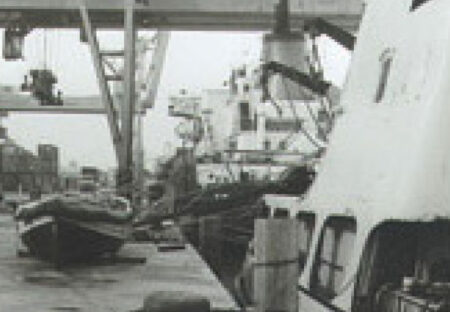 Services begin between Parkeston Quay and the Hook of Holland.
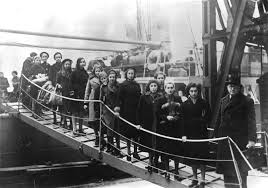 First Winton Train arrived at Harwich in 1938 bringing 196 children from a Berlin Jewish orphanage
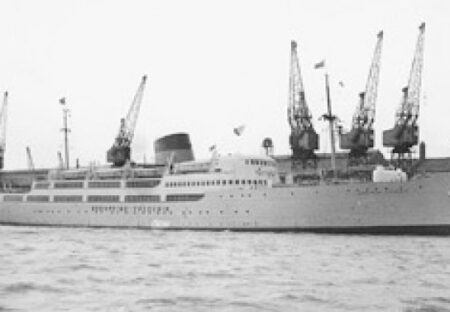 The quay suffers extensive damage in air raids during the war.
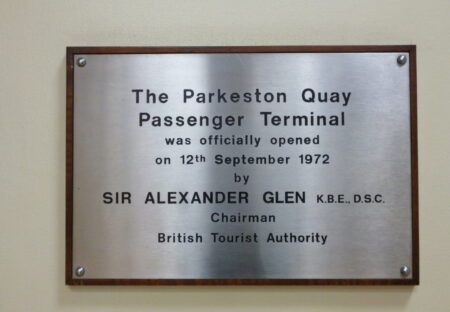 Parkeston Quay Passenger Terminal offically opened
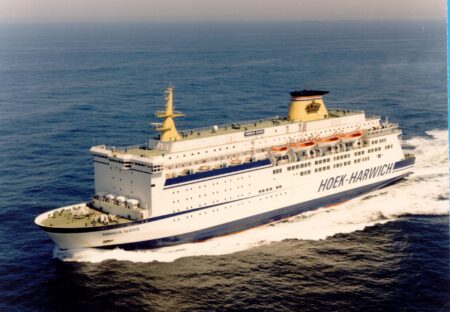 The ‘Koningin Beatrix’, with capacity for up to 2,100 passengers, joins the Hook of Holland route.
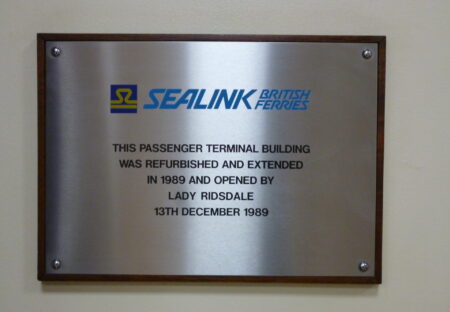 Passenger Terminal building refurbished and extended
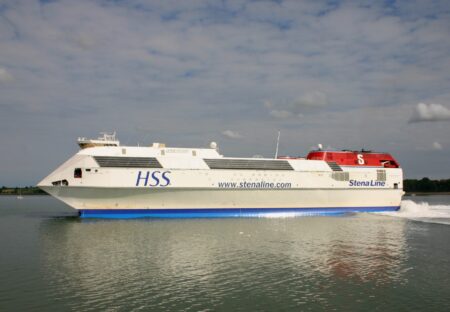 A £12 million development is completed to accommodate the ‘Stena Discovery’ fast ferry.
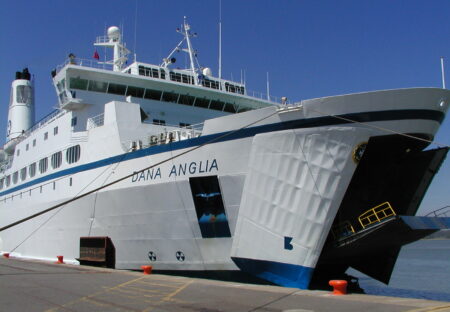 A fond farewell to the last of the ‘white ships’ serving Harwich, as the ‘Dana Anglia’ and ‘Admiral of Scandinavia’ are replaced by modern ro-pax vessels.
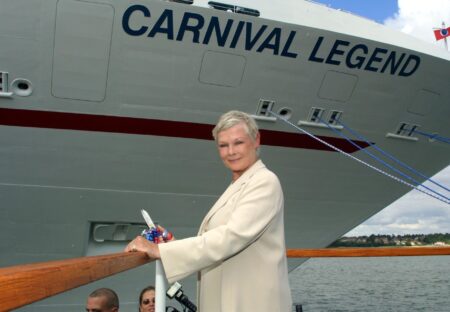 Dame Judi Dench visits Harwich International Port to christen Carnival Legend.
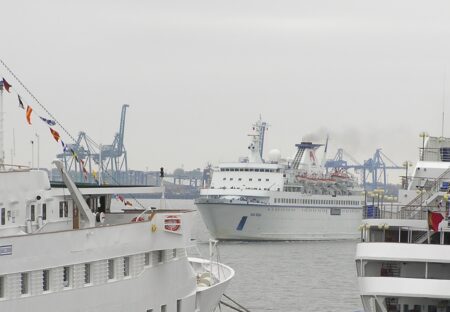 First treble call received since 1999
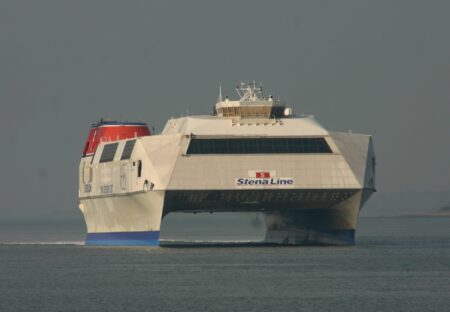 End of the Stena Line HSS Service.
 Introduction of Stena Line Superferries onto the Harwich to Hook of Holland route.
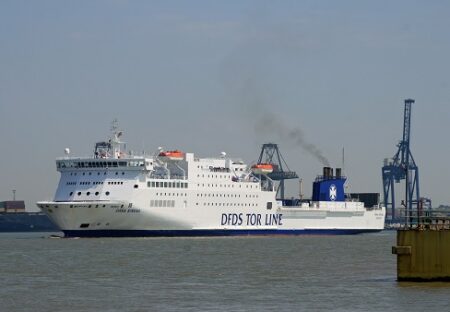 End of the DFDS Esbjerg service after over 100 years of operation.
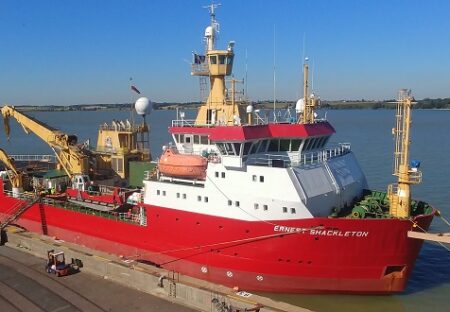 Arrival of RRS Shackleton - an ice-strengthened Royal Research Ship operated by the British Antarctic Survey. Mobilised at Harwich before embarking on their Antarctic field season.
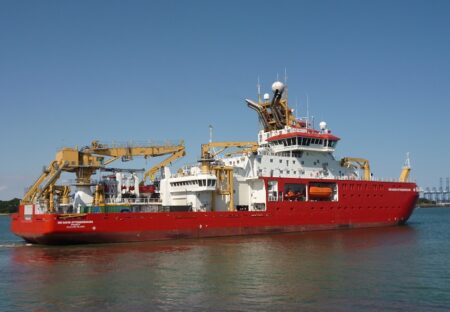 RRS Sir David Attenborough visits Harwich before sailing to London to become the centre point of the British Antarctic Survey's showcase of polar environmental science, engineering and technology, to coincide with the UN COP26 climate talks in Glasgow
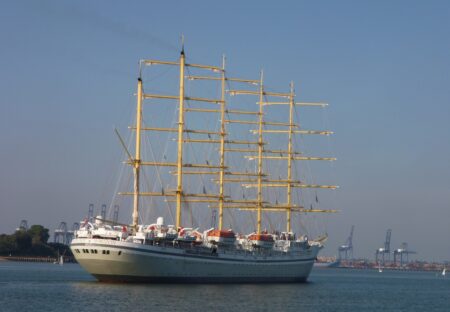 Arrival of the Golden Horizon - the world's largest square-rigged sailing vessel and one of the few sail-powered cruise ships. The first cruise ship arrival since the start of the Covid pandemic.
 This year saw the completion of the Border Control Point Facility (BCP) at Harwich, funded by Government. Ready for inspections to start in 2024.


